
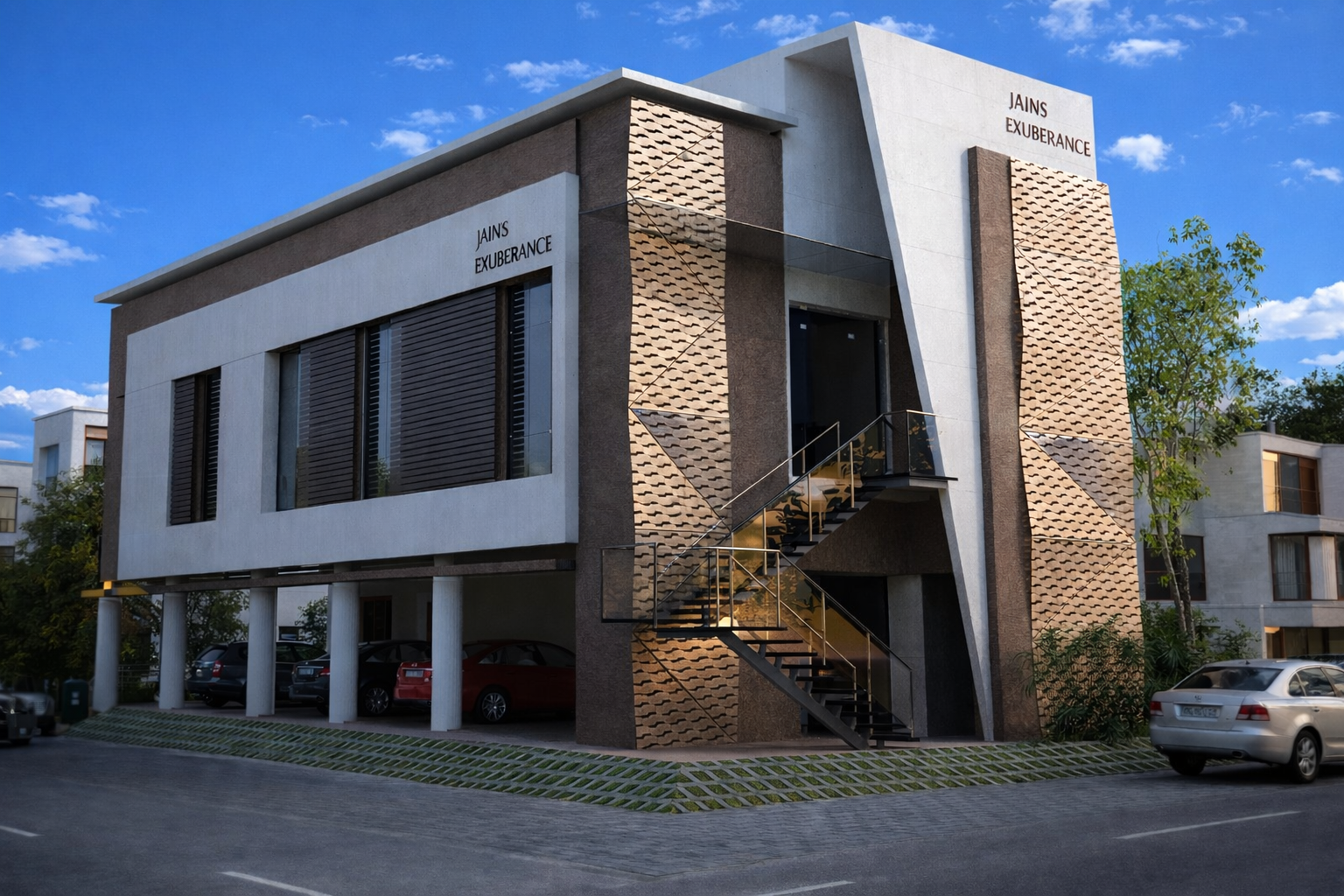
Smart buildings represent a major shift in modern construction, combining connected technologies with sustainable practices to create more efficient, responsive, and environmentally responsible spaces. From renewable energy systems to digital planning tools and modular delivery methods, smart construction is redefining what better building looks like.
Integrated building technologies improve communication between systems and support smarter day-to-day operations.
Solar power reduces dependence on fossil fuels while supporting both construction activity and building performance.
BIM, modular workflows, and prefabrication help teams cut waste, save time, and improve quality.
Smart buildings are the epitome of innovation in the construction industry. They are built upon the integration of smart technologies, enabling seamless connectivity and communication between various systems within the building.
Not only this, in today’s world, adopting sustainable practices is what truly makes construction smarter. With that in mind, let’s look at a few smart practices we can follow.
The smartest buildings do more than connect systems. They reduce waste, use cleaner energy, and make construction more precise from planning through delivery.
Solar panels capture sunlight and convert it into electricity, providing a renewable and sustainable energy source for construction sites and buildings. Solar energy systems can power equipment, lighting, and other construction processes while reducing reliance on fossil fuels.
Solar-powered equipment, such as solar-powered construction signage or solar pumps for water supply, reduces the carbon footprint and operational costs of construction projects.
Emerging applications like solar-powered 3D printing offer sustainable alternatives for on-site fabrication and open new possibilities for cleaner, more adaptive project delivery.
Building Information Modeling (BIM) facilitates effective collaboration among stakeholders, including architects, engineers, and contractors, by providing a centralized digital platform for real-time data sharing and communication.
This streamlines decision-making processes, minimizes delays, and enhances project coordination throughout the building lifecycle.
BIM enables advanced visualization and simulation capabilities, reducing design errors and conflicts during construction.
By improving quantity take-offs, clash detection, and planning accuracy, BIM enhances efficiency and supports smarter resource allocation at every stage.
Modular construction involves the fabrication of building components in a controlled factory environment, ensuring precision, quality, and reduced waste.
These components are then transported to the construction site for assembly, accelerating the construction process and minimizing on-site disruptions.
Modular construction significantly reduces construction time because off-site fabrication can occur alongside site preparation.
The controlled manufacturing environment also leads to fewer errors, less rework, and stronger cost efficiency across the project timeline.
Prefabricated building components are manufactured in controlled environments, allowing for customization, precision, and improved quality control.
This approach minimizes material waste and ensures efficient use of resources while still supporting project-specific design needs.
By transporting prefabricated components directly to the construction site, the need for excessive transportation and associated emissions is reduced.
Prefabrication also generates less construction waste because the components are precisely manufactured to minimize excess materials.
Controlled production environments improve consistency, quality assurance, and material efficiency.
Pre-made systems simplify installation on-site and reduce disruption during active construction phases.
Recapping these groundbreaking technologies in construction, it is clear that sustainable practices are essential for the future of the industry. Smart buildings show how innovation and responsibility can work together to create stronger, cleaner, and more efficient built environments.